

Pattern Recognition Is All You Need
How the trenches trained my attention on what actually matters
Opening
How the trenches trained my attention on what actually matters. Before I built companies, I watched teams do impossible things in media and entertainment.
Hundreds of projects.
A film shoots and is made in weeks. From script to impossible outcomes. Locations scouted, sets built, actors rehearsed, scenes captured, footage edited, sound mixed, color graded, delivered. It is insanity to see it up close over and over.
It's intoxicating and maddening.
Yes... that is me directing Michael Madsen in Chasing Ghosts in 2004.
Directing Michael Madsen, Chasing Ghosts, 2004
The Entertainment Trenches
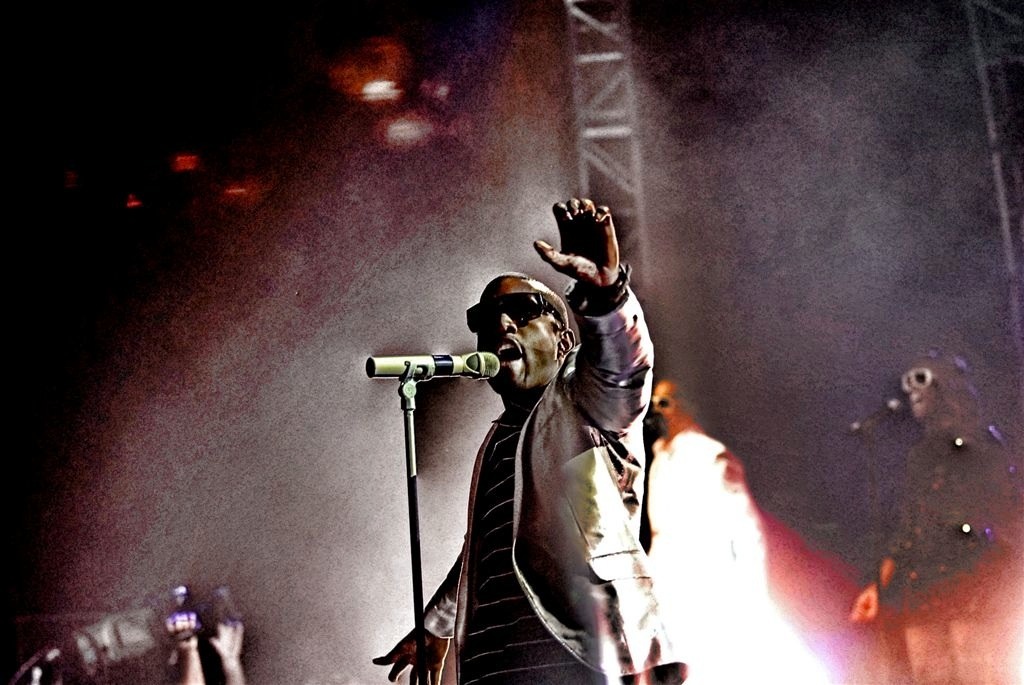
A concert goes live in front of 10,000 people with no second take. The staging, the lighting, the sound, the timing. Everything has to work the first time. Because there is no second time.
Kanye West performing in a televised concert we produced in 2007 in Vegas.
Kanye West concert, Las Vegas 2007
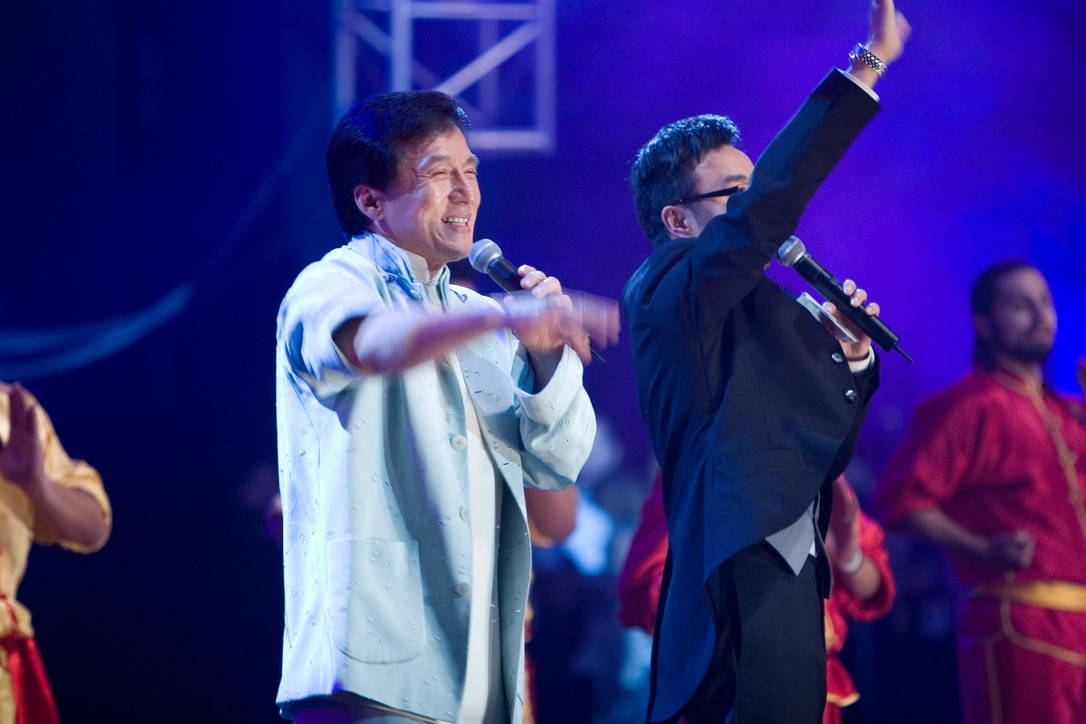
Yes.... Jackie Chan Was the Host
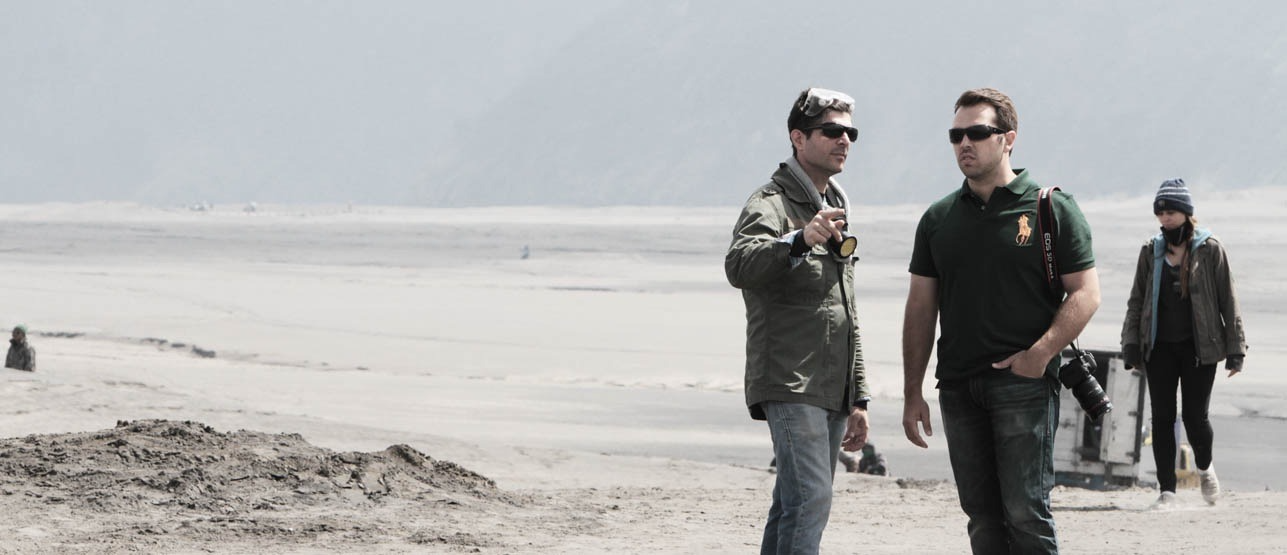
A visual effects sequence that seemed impossible on Monday ships on Friday. Artists working in parallel. Problems solved in real-time. Constraints become creative fuel.
On set in Mt. Bromo, Indonesia. Shooting in the crater of an erupting volcano.
Jackie Chan hosting concert
On set, Mt. Bromo volcano, Indonesia
But Watching Wasn't Enough
Over and over, I watched teams form around a clear vision and compress timelines that should have been impossible.
But watching wasn't enough.
The Mechanism
In 2017, a paper reshaped machine learning with a simple claim: "Attention Is All You Need."
Strip away recurrence. Strip away convolution. Strip away the architectural complexity everyone assumed was essential. What remains is the core mechanism. The ability to dynamically weight what matters.
Building companies taught me the human equivalent.
Strip away the perfect idea. Strip away certainty, credentials, clean market analysis. Strip away the polished case studies and post-hoc narratives. What remains is pattern recognition. The ability to weight which signals matter when everything is noise.
Transformers learn attention through exposure to data.
Builders learn it through exposure to decisions.
But humans have something transformers don't. Two capacities that shape how we weight signal.
Absorption. The capacity to lose yourself in an experience. To be fully present in a moment without filtering it through pre-existing frameworks. The filmmaker who disappears into a scene. The founder who feels the product problem in their bones. The investor who sits with a team long enough to sense the dynamics no pitch deck reveals.
Empathy. The capacity to feel what others feel. Not sympathy. Not understanding from the outside. Actual resonance with another person's experience. The felt sense of their fear, their excitement, their doubt.
Together, absorption and empathy are how humans pattern match on humans. Markets are made of people. Companies are made of people. These capacities aren't soft skills. They're signal processing.
Trench Learning vs. Distance Learning
My pattern recognition started in the trenches of the film industry before moving into the hallways of tech. But pattern recognition has levels.
There's watching from a distance. Reading case studies. Analyzing outcomes after they happen. Most investors and many entrepreneurs operate here. They see the cleaned-up version. The narrative that makes sense in retrospect.
Then there's learning in the trenches. Building the thing. Making payroll when the runway is weeks. Firing a good friend that you hired when performance becomes an issue. Having a teammate critical to your success suddenly pass away. Nearly losing your family to your obsession. Pivoting when your thesis breaks. Watching a market shift and deciding in real-time whether to follow or lead.
These two kinds of learning produce different knowledge. I would argue that only one creates wisdom.
Distance learning tells revisionist history of what happened and can help inform a hypothesis.
Trench learning tells you what it felt like to make those decisions with incomplete information. It teaches instinct, leadership, empathy, and stewardship.
This is why trench learning beats distance learning. It's not just proximity. It's signal density.
When you're absorbed in a company you're building, you're processing thousands of micro-signals that never make it into board decks. The tone of a Slack message. The pause before someone answers a hard question. The energy in a room after a tough quarter. The way a team responds to bad news.
The First Inflection: Tunnel (2005)
I was 23. I'd just directed a feature film and hit a wall. The technology couldn't do what I needed. Post production and color grading was slow, expensive, limited. The creative vision exceeded the tools of the time.
So we built new tools.
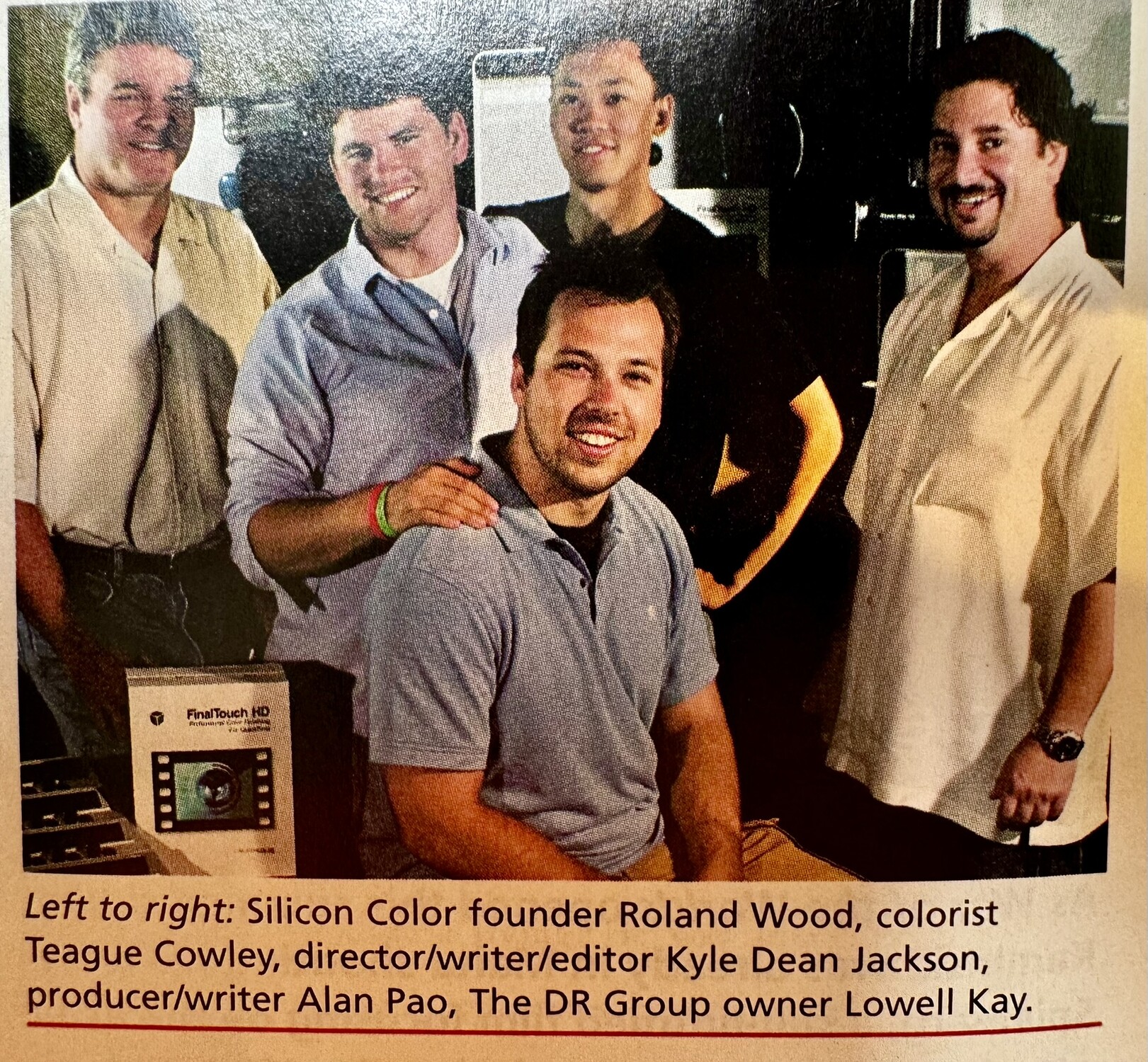
Out of necessity, not grand vision. We needed GPU-accelerated color grading because nothing else would work and we had to deliver a film to Sony! The software we built solved our problem. Then it solved other people's problems.
Apple acquired the technology three years later.
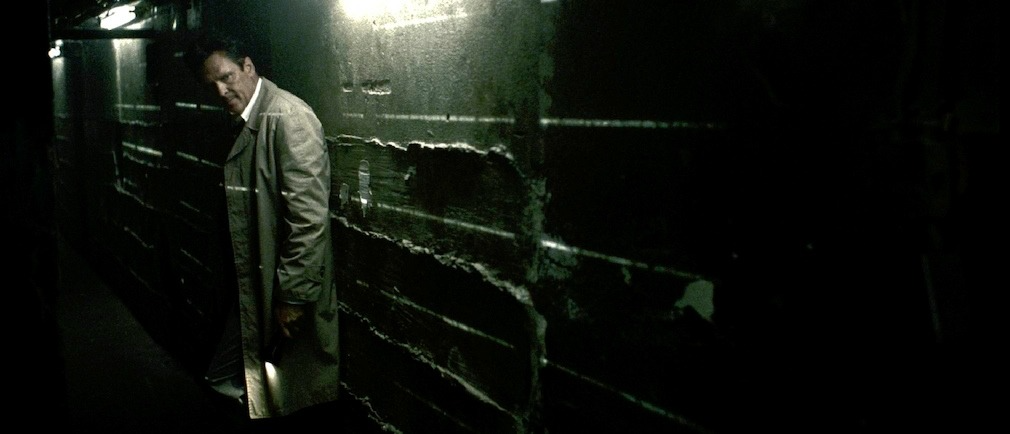
One of my favorite shots from that film.... so moody!
The Lesson from Tunnel
The lesson: Build for the problem in front of you. If it's real for you, it's probably real for others. The best companies start as solutions to your own frustrations.
That was an inflection point. Digital was eating film. The entire industry was shifting from physical to digital workflows. We built infrastructure for that transition. Not because we predicted it. Because we were in it.
The Second Inflection: OpenDrives & GoDigital (2009-2012)
Success creates a dangerous illusion. You think you understand something because one thing worked.
OpenDrives came from the same insight as Tunnel. Digital media needed better infrastructure. The technical thesis was right. Today, Open Drives is a critical infrastructure provider to some of the most powerful media brands in the world.
My co-founder, Jeff Brue, shipping our first branded Open Drives server.
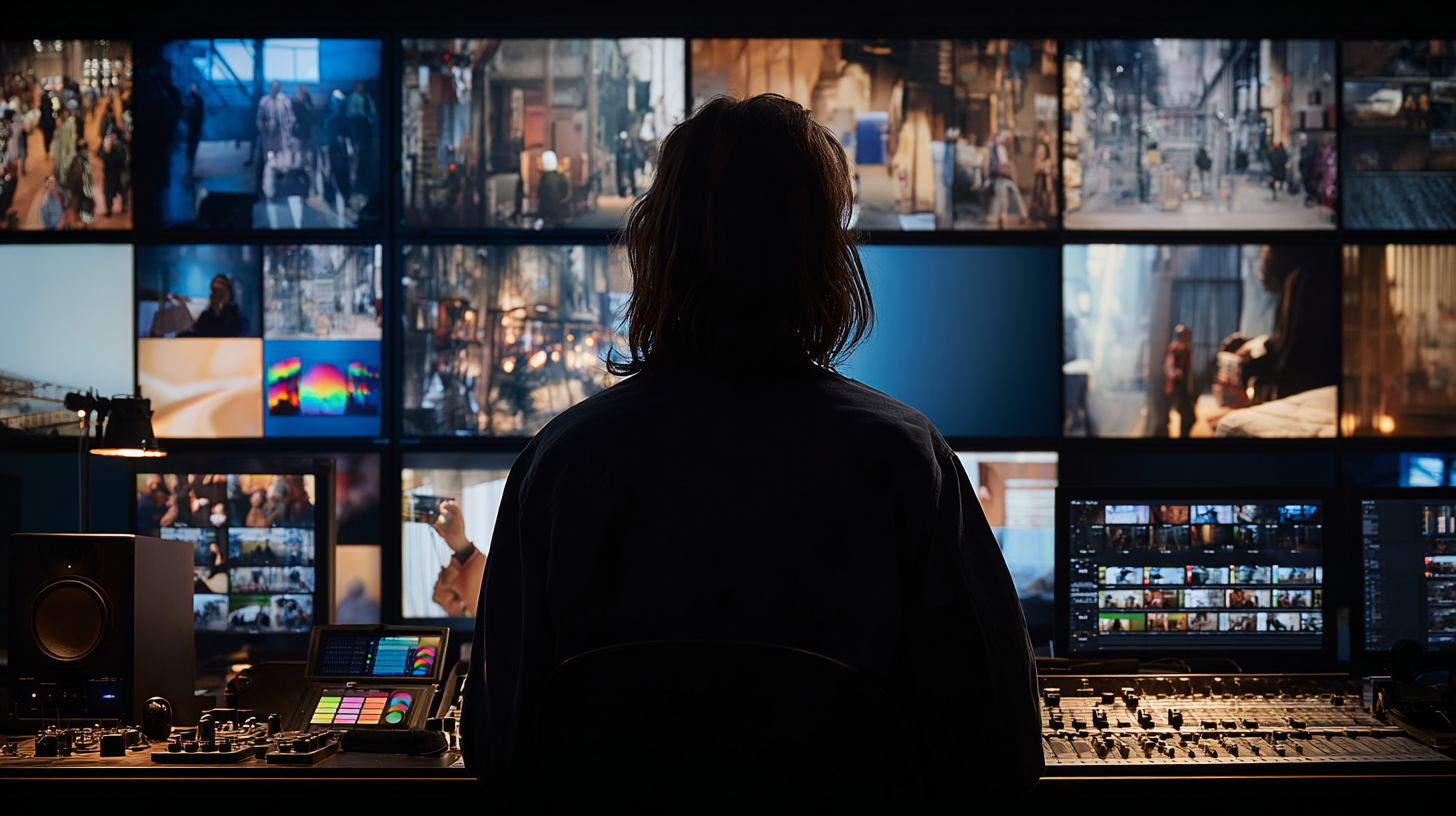
Jeff Brue with the first OpenDrives server
GoDigital: Right Direction, Long Timeline
GoDigital emerged from a different angle. Physical to digital distribution. The premise was simple. Digital rights would be more valuable in the future than they were at the time.
That premise was spot on. What we underestimated was the timeline. It took over ten years to refine the model. Today GoDigital manages over $1 billion in IP assets.
The lesson: Being right about the direction is not the same as capturing the value. The people who stay through the full journey benefit when the market catches up. Sometimes stepping away is the right call. But someone has to stay. The thesis doesn't execute itself.
The Third Inflection: Siren Studios (2012)
The campus we built on Sunset Blvd in Hollywood. Now home to some of the most innovative companies in entertainment.
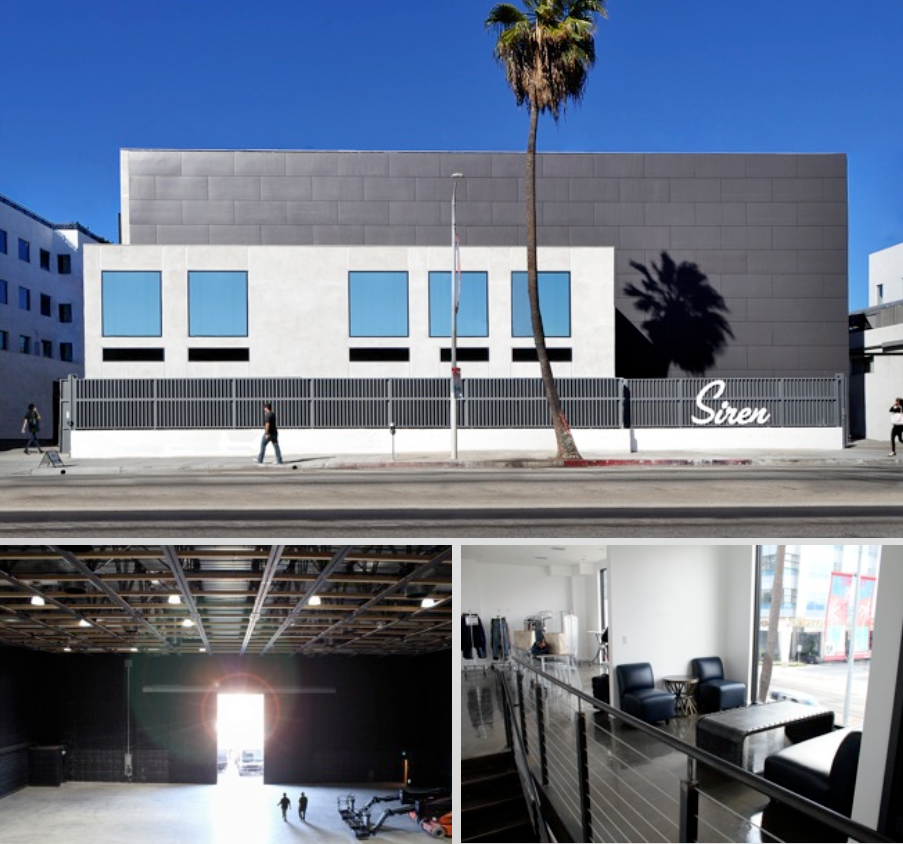
Siren Studios campus, Sunset Blvd
Transitions Create Arbitrage
Hollywood was transitioning from physical to digital. Not just distribution. Everything.
A gap opened. The old models of production were breaking. The new ones hadn't proven out. Capital was confused. Creators were uncertain.
The thesis was simple. What it took Warner Bros to build their empire over the previous 50+ years, was not the same thing required in 2014. Digital was here, remote collaboration was everywhere. The old silo'd studio model would fall.
The lesson: Transitions create arbitrage. The old guard is defensive. The new players are unproven. Capital, infrastructure, and good collaborators that can navigate the middle capture disproportionate value.
What we learned from Siren is now powering billions of dollars of infrastructure investment with East End Studios.
East End Studio's Mission Campus, one of several that I helped design from day 0
The Investment Years
Somewhere in this journey, I started investing in other builders. I invested in two dozen companies over the years. Some succeeded. Some failed. All taught me something.
Here's what investing teaches you that building doesn't: You see the patterns across companies, not just within them. When you're building, you're inside the problem. When you're investing, you see the same problems appear across different contexts.
You learn to distinguish founder problems from market problems. Some companies fail because the founders made mistakes. Some fail because the market wasn't ready. From the inside, these feel identical. From a portfolio view, the difference becomes clearer.
But here's what investing didn't teach me: The felt sense of a decision. Investors see outcomes. Operators feel the weight of making the call. The 2am questions. The information you don't have. The people depending on you getting it right.
The cost of being wrong. When an investment fails, you lose capital. When your company fails, you lose years, family, friends, and potentially your financial future. The stakes shape how you think.
Most VCs watch from a distance. They pattern match on outcomes. Operators who build in the trenches are running pattern recognition on the full input stream. The messy, emotional, contextual data that never gets captured in retrospective analysis.
I've sat in both chairs. The investor chair teaches you what. The operator chair teaches you how. You need both to see clearly.
The Fourth Inflection: Talespin (2015)
I became convinced AI would make human skills the critical path to navigating this transformation we are now in.
Machines would get better at tasks. That was obvious. What wasn't obvious was what that meant for people. The skills that would matter most weren't technical. They were human. Communication. Empathy. Leadership. Judgment.
But for most there was no good way to practice them.
You can read about leadership. You can take a course. But you can't practice navigating a difficult conversation when the stakes are extremely high. You can't rehearse giving hard feedback to an early employee.
That belief became Talespin.

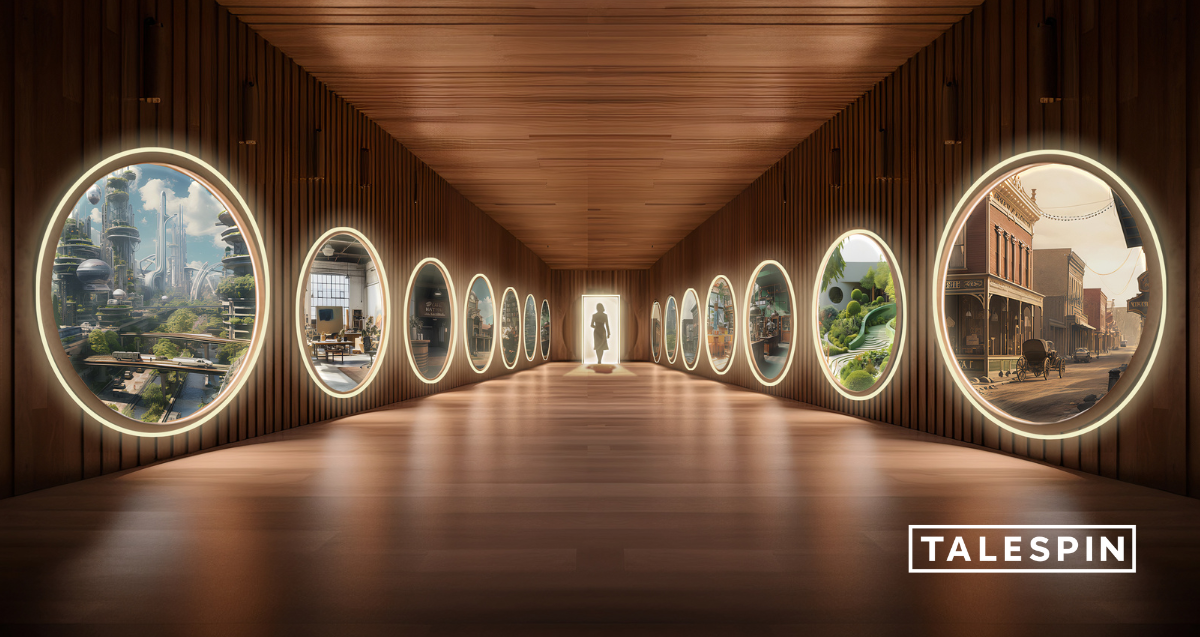
Step into worlds to gain experience previously impossible
Vision Through Chaos
Ten years. Multiple pivots. Three near-deaths. Pioneering through chaos that would have killed most companies.
The lesson: Conviction about the destination doesn't mean the path will be straight. The companies that survive hold the vision while completely rebuilding the vehicle.
Cornerstone acquired us in 2024.
Talespin was training the human attention mechanism. Giving people reps on the scenarios where weighting the wrong signal carries real cost. We were teaching absorption and empathy through simulation. Human Intelligence.
The Pattern
Each venture required staying through the hardest years. Five years. Seven years. Ten years.
Here's what all this has taught me about pattern recognition:
1. The window matters more than the idea. Good ideas at the wrong time fail. Mediocre ideas at the right time can succeed. Timing isn't everything, but it's most things.
2. Conviction is not certainty. You need enough conviction to start. But you need enough humility to adapt. The founders who survive hold both.
3. Absorption beats analysis. The builders with the sharpest intuition aren't processing more information. They're processing it differently. They let experience in before they filter it.
4. Empathy is pattern recognition for humans. The ability to feel what others feel isn't soft. It's signal. The founders who can read a room have access to data that spreadsheets never capture.
5. Your edge is your exposure. I saw digital transformation before most because I was inside it. Proximity creates perception. Get close to the change you want to understand.
Some people are built to scale what exists. To optimize, extend, compound within proven structures. They create enormous value doing work I'd fail at.
I'm built for the edges. For the moment when old models crack and new ones haven't proven out. When the only way forward is to build something that doesn't exist yet.
Twenty years taught me to stop apologizing for this.
The Current Window
And a new window is open.
This is the most compelling moment of my career to be in full builder mode.
AI isn't a feature upgrade. It's a phase change. The assumptions that built trillion-dollar companies are being questioned. The tools that took teams of fifty now take teams of two. The gap between what's possible and what exists is wider than I've ever seen it.
The last 20 years has taught me how to build through uncertainty.
I learned to read signal through noise.
Both tell me the same thing: this window won't stay open forever.
Most people are waiting for clarity.
Repeat builders don't wait. They build while the window is open.
What Comes Next
The foundational stage is where the leverage is highest. That's where I'm going.
For anyone reading this who's wondering whether they're ready: You don't need perfect clarity. You need enough conviction to start and enough humility to adapt.
The pattern recognition isn't magic. It's learned attention. Exposure that trains you to weight what matters: the timing signals, the team dynamics, the market windows. While everyone else processes noise.
Practice absorption. Stay present in experiences longer before analyzing them. Let the texture in.
Practice empathy. Feel what the people around you feel. Not as a technique. As a way of being.
The transformers taught machines to attend to what matters.
You already have the capacity. The question is whether you'll use it.
The window is open. The question is whether you'll watch through it or walk through it.